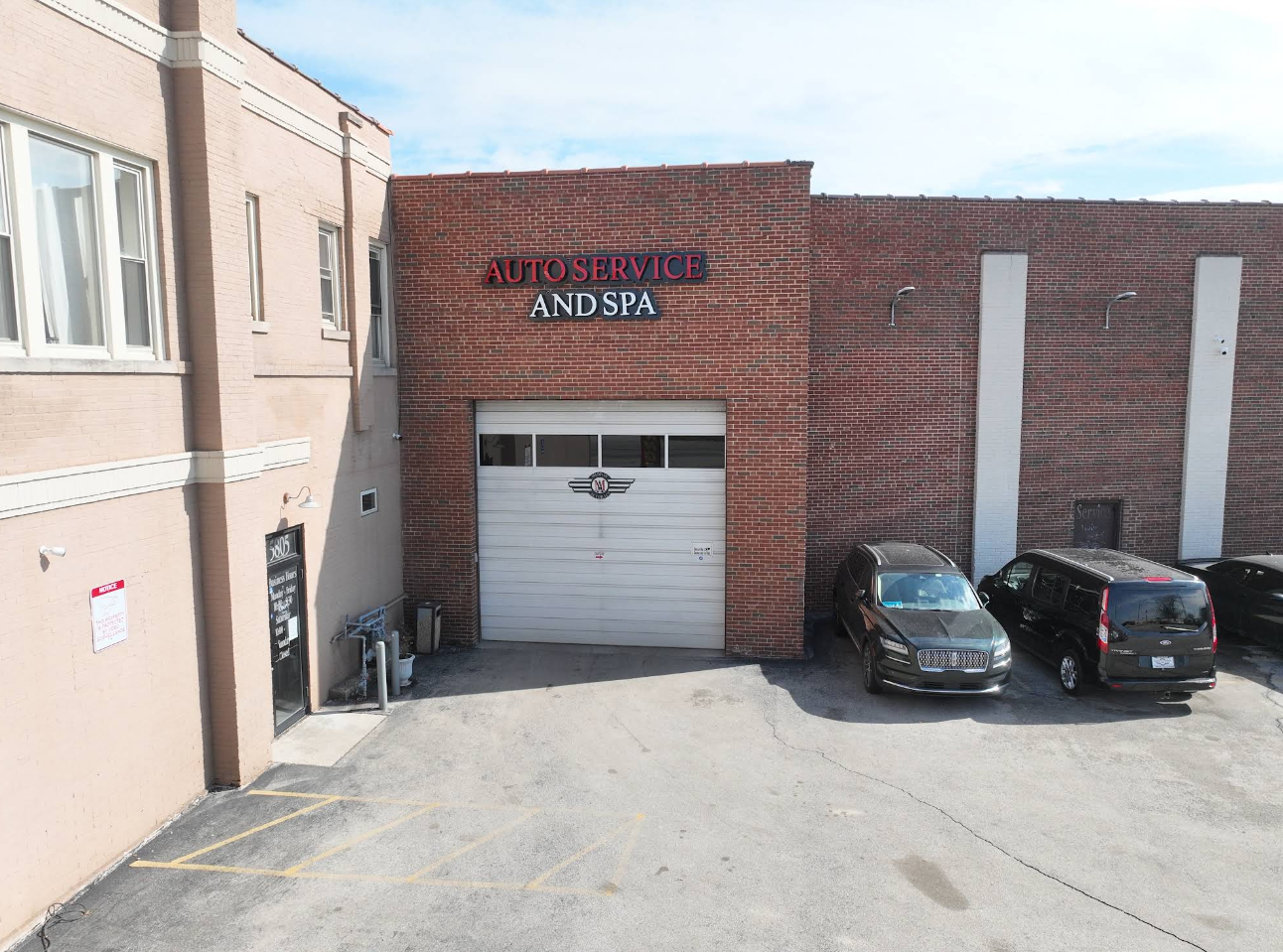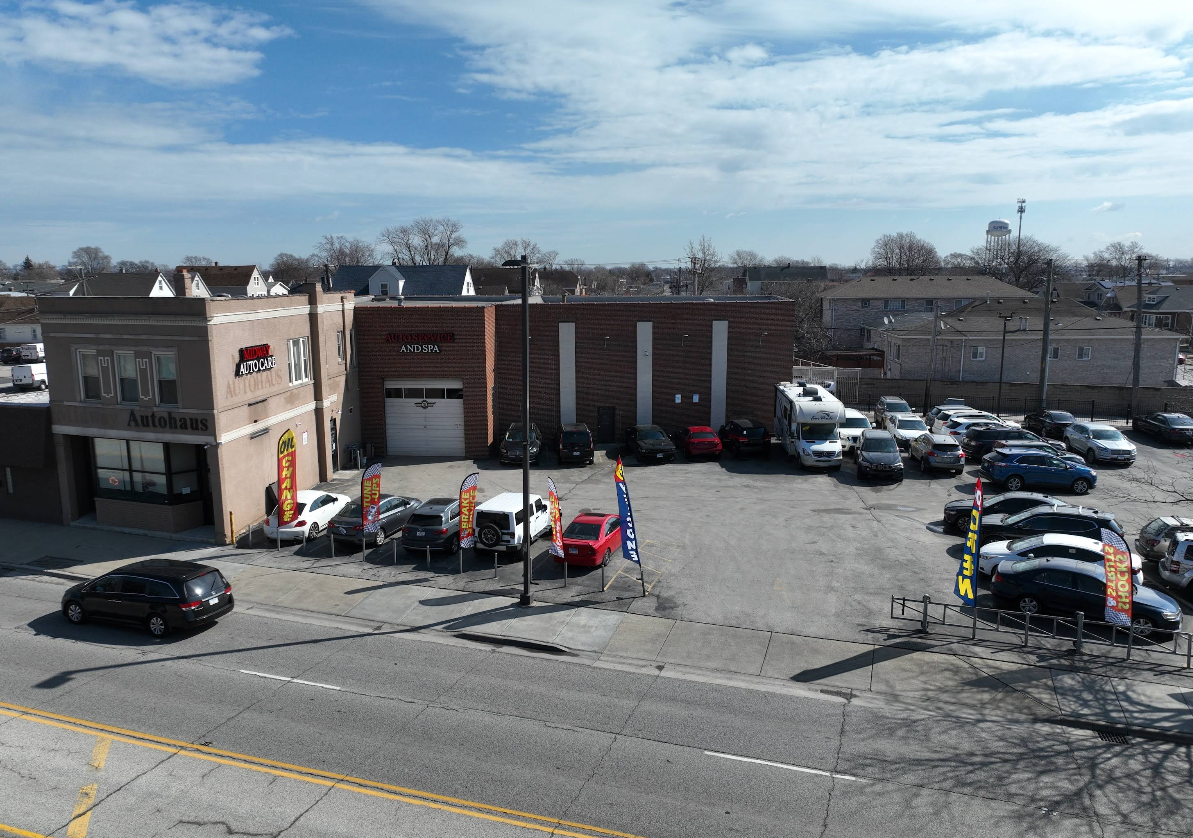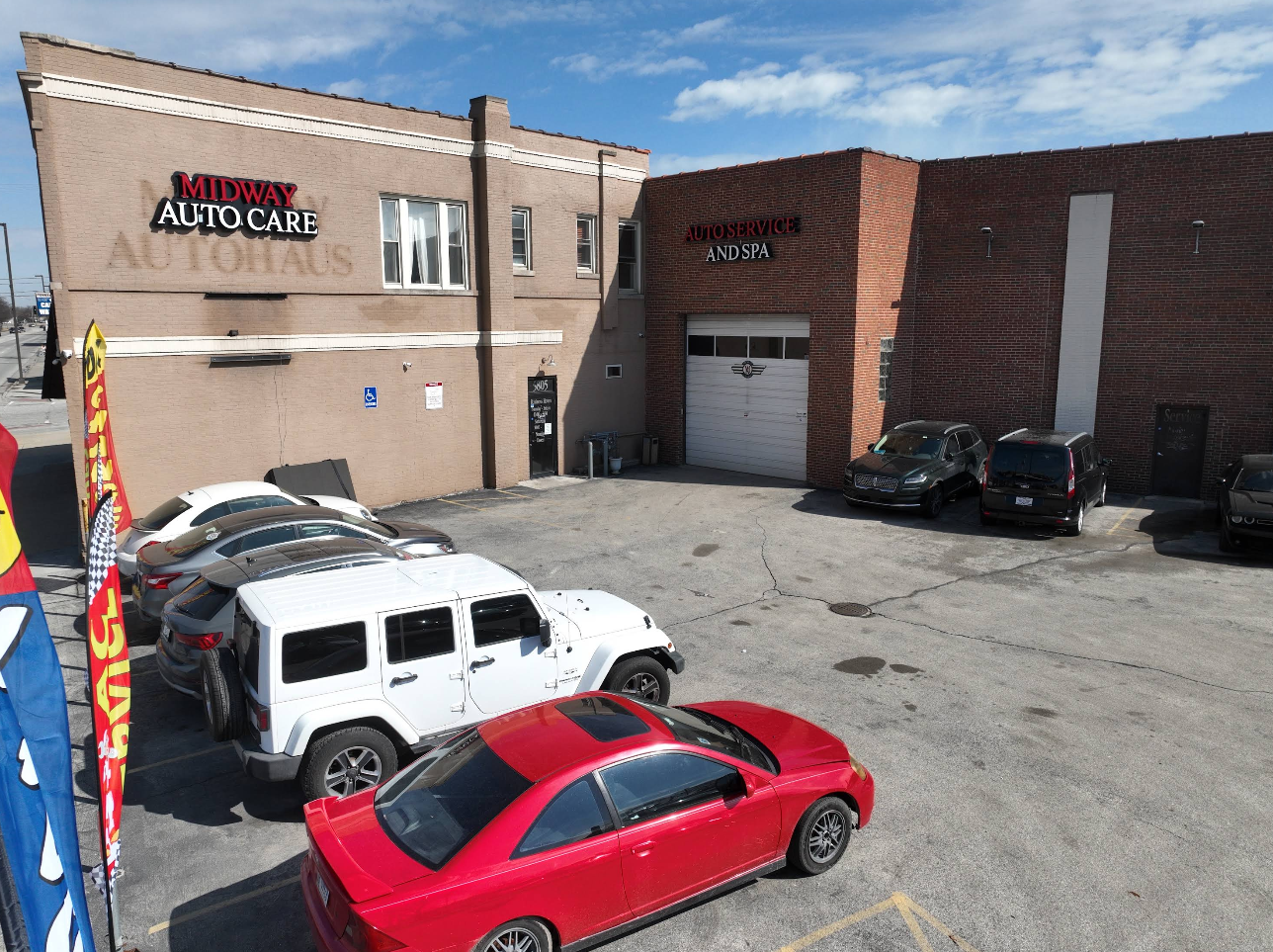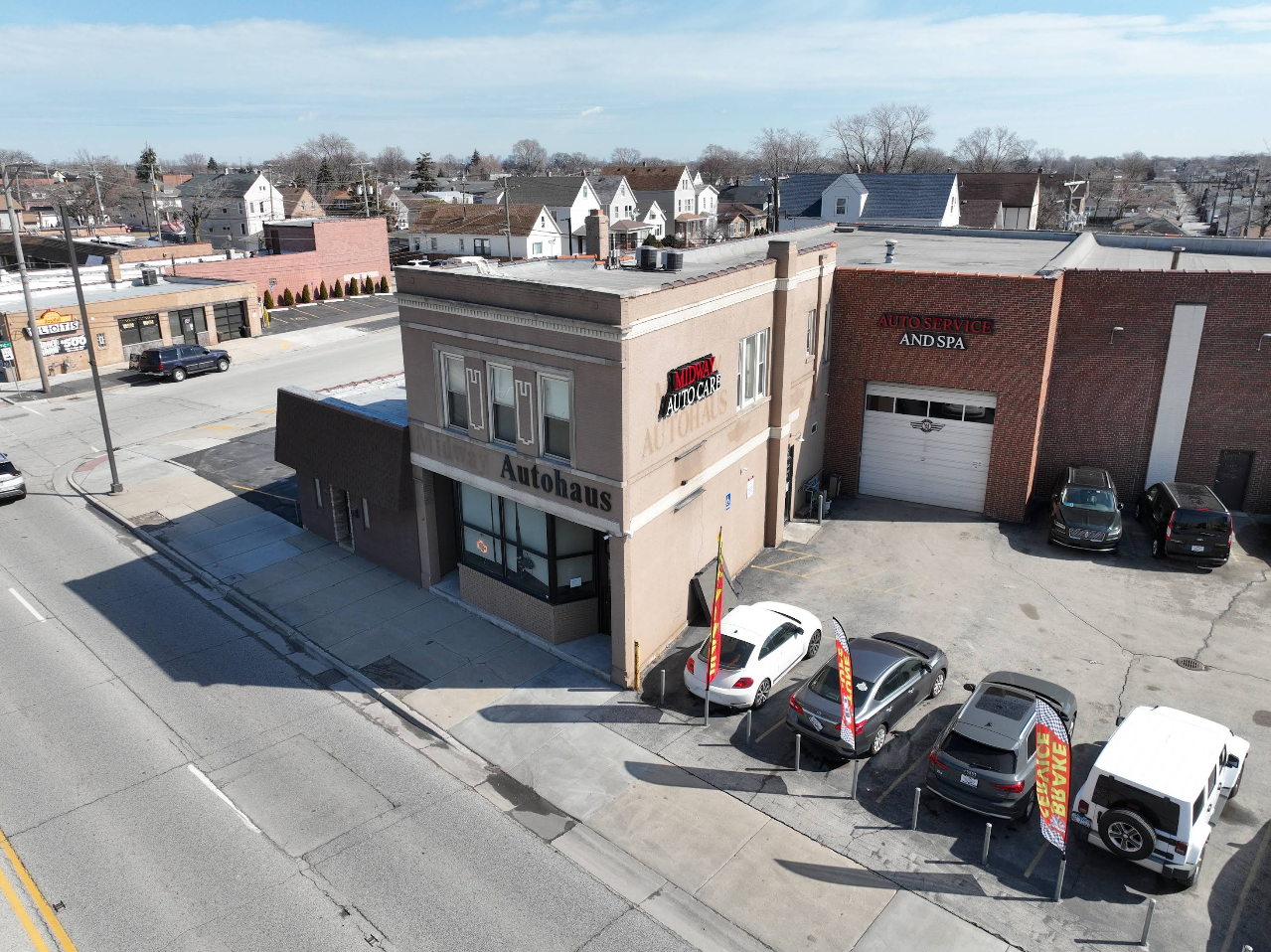
Trusted Auto Repair in Summit, IL

Star Rating Icon | Midway Auto Care

3333+ Reviews

CERTIFIED AUTO REPAIR LOGO | Midway Auto Care

Warranty Coverage at Midway Auto Care


At Midway Auto Care, we take pride in the quality of our workmanship and the parts we use. That’s why all eligible repairs performed at our shop are backed by our own 12-Month / 12,000-Mile Limited Warranty.


Our In-House Limited Warranty


This warranty specifically covers repairs completed by our technicians at Midway Auto Care. It includes protection against defects in parts and workmanship for 12 months or 12,000 miles, whichever comes first.


Please note:


  • This is a shop-specific warranty and is not a nationwide warranty.
  • Coverage applies only to work performed by us.


We’re committed to standing behind our repairs and ensuring your peace of mind while driving.


Aftermarket Warranty Plans – Separate and Optional


In addition to our in-house warranty, Midway Auto Care offers aftermarket warranty coverage as a separate service.

Here’s what you should know:


  • Aftermarket warranties are independent of any repairs performed at our shop.
  • You do not need to have a repair done by us to purchase aftermarket coverage.
  • These plans can provide broader, more flexible protection for future repairs, regardless of where the work is performed.


Why This Distinction Matters


We want to be fully transparent:


  • Our repairs = Our in-house 12-month/12,000-mile limited warranty.
  • Aftermarket plans = Optional, independent coverage not tied to our shop’s repair work.


Have Questions?


Our service team is happy to explain the details of both our in-house warranty and the aftermarket coverage options available. Contact us today to learn more.

REVIEWS


Jamal Samra

"Most trustworthy and affordable pricing for all your auto service needs. I had my cargo truck oil changed and filters. Best pricing I ever got in my life. Ask for Joe or Alfredo"

Laniar Winsley

"JOE IS A MIRACLE!! Best mechanic shop in the whole Chicago land area. They fix motors, transmissions, and service cars for amazing prices. They fixed my dad's transmission for half the price of everyone else."

Leslie Medina

"Came here to get my thermostat housing and oil filter housing and Alfredo was able to accommodate me that same day. He was able to summit everything through insurance and I only paid a small portion. Great service!"

Hadi Omar

"Midway Autohaus Service in Summit is fantastic! Rico and the team were professional, honest, and efficient. My car runs like new, and the service was top-notch. Highly recommend them!"

A BIT ABOUT US

At Midway Auto Care in Summit, IL, we’re dedicated to providing honest, high-quality auto repair backed by certified expertise. As a Certified Auto Repair facility, we service all makes and models with precision, from routine maintenance to complex engine and transmission work. Our team is committed to transparency, timely service, and customer satisfaction, offering flexible financing and aftermarket warranty support to make auto care more accessible. With convenient hours and a strong reputation in the community, we’re proud to be your trusted local auto repair shop.

BOOK AN APPOINTMENT

SERVICES


Brake
Service

Your brakes are your vehicle’s most important safety system—routine service ensures responsive stopping and prevents dangerous failures. We inspect and repair all brake components to keep you safe!

Visit Page

Engine Replacement & Rebuild

Whether it’s restoring power or addressing internal damage, our engine services extend the life of your vehicle and improve performance. We provide complete rebuilds and replacements for long-term reliability.

Visit Page

Transmission Replacement

A healthy transmission is key to smooth shifting and efficient power delivery. We diagnose and replace worn or failed transmissions to restore proper vehicle operation.

Visit Page

OUR MINDSET

We approach every repair with precision, transparency, and care.

Our team treats your vehicle like it’s our own—with honesty and pride in every detail.

We’re not just fixing cars; we’re building trust, one service at a time.

OUR BLOGS


At Midway Auto Care in Summit, IL, our blog is here to help you stay informed and confident about your vehicle. From maintenance tips to expert repair advice, we share practical insights to keep you safe, save money, and get the most from every mile.

SEE MORE POSTS
By Ramy Elkherbawy May 29, 2026
Over 80% of modern vehicles rely on internal sensors to monitor engine performance, and when something’s off, your dashboard alerts you. Your check engine light can signal anything from a loose gas cap to serious engine trouble. Understanding the most common causes helps you decide whether to act immediately or schedule a service. Key Takeaways: A check engine light can signal anything from a loose gas cap to serious engine trouble-diagnosing the specific issue requires a code reader or mechanic visit. Some problems, like a failing oxygen sensor or worn spark plugs, are common causes and can reduce fuel efficiency or increase emissions if ignored. While the light doesn’t always mean immediate danger, persistent or flashing warnings should prompt quick action to avoid costly repairs. Common Reasons Your Check Engine Light Is On Many check engine light activations stem from critical sensor malfunctions that directly impact your vehicle’s performance and emissions. These sensors monitor key engine functions, and when they fail, your car’s computer can’t adjust properly. You may notice reduced fuel economy, rough idling, or failed emissions tests. Ignoring these warnings can lead to more expensive repairs down the road. Oxygen Sensor (O2) Failure Your oxygen sensor measures the amount of unburned oxygen in the exhaust. When it fails, your engine runs too rich or too lean, hurting fuel efficiency and increasing emissions. You might smell sulfur or see a drop in gas mileage. Replacing a faulty O2 sensor often resolves the issue and restores proper engine function quickly. Mass Airflow (MAF) Sensor Issues A malfunctioning MAF sensor misreads the air entering the engine, throwing off the fuel mixture. You may experience hesitation during acceleration or difficulty starting the car. Dirt, debris, or a worn sensor often cause this problem. Cleaning or replacing the MAF sensor typically brings performance back to normal. Over time, the Mass Airflow sensor collects grime from unfiltered air, especially if your air filter is overdue for replacement. This buildup skews its readings, making the engine work harder than necessary. You’ll likely notice sluggish acceleration or stalling at idle. A technician can test the sensor’s output and determine whether it needs cleaning or a full replacement to restore accuracy. Emissions Control System Your car’s emissions control system helps reduce harmful pollutants released into the atmosphere. When the check engine light appears, this system may have detected an issue affecting your vehicle’s environmental performance. Problems can range from minor sensor glitches to more serious component failures, all of which impact emissions and fuel efficiency. Catalytic Converter Degradation A failing catalytic converter can’t efficiently convert toxic exhaust gases into less harmful substances. You might notice reduced engine performance or a sulfur-like smell from the exhaust. Left unaddressed, it can lead to higher emissions and potential failure during emissions testing. Evaporative Emission (EVAP) System Leaks An EVAP system leak allows fuel vapors to escape from the fuel system before they can be burned. This often triggers the check engine light without affecting drivability. Common causes include a loose or damaged gas cap or cracked hoses in the vapor recovery system. Small leaks in the EVAP system are among the most frequent reasons for a check engine light. Your vehicle’s computer monitors pressure in the fuel system and alerts you when it detects a drop. A smoke test at a repair shop can pinpoint the exact location of the leak, whether it’s at the gas cap, purge valve, or vent solenoid. Common Fuel System Issues Understanding what triggers your check engine light often leads to the fuel system, where small problems can create big headaches. A faulty component here affects performance and efficiency, so timely diagnosis matters. Loose or Damaged Gas Cap Leaving your gas cap loose is one of the simplest reasons for a check engine light. It can cause fuel vapor leaks and disrupt emissions control. Simply tightening or replacing it often resolves the issue within a few driving cycles. Fuel Injector Obstructions Debris or carbon buildup can restrict fuel injectors, leading to poor spray patterns and uneven fuel delivery. This often results in rough idling, reduced power, or increased emissions. Catching it early helps prevent long-term engine strain. Fuel injector obstructions develop over time as contaminants accumulate from fuel or engine byproducts. When injectors can’t deliver the right amount of fuel, your engine runs inefficiently. Professional cleaning or replacement may be necessary to restore optimal performance and fuel economy. Ignoring the problem can lead to misfires or catalytic converter damage. Understanding Warning Patterns Every time your check engine light activates, it communicates something specific about your vehicle’s health. The way it illuminates-steady or flashing-provides immediate clues about the urgency and nature of the issue. Recognizing these patterns helps you decide whether to keep driving or seek help right away. Solid vs. Flashing Indicators A steady light often signals a minor issue, like a loose gas cap or sensor malfunction. You’re usually safe to continue driving, but should schedule a diagnostic soon. A flashing light, however, means active engine damage-likely from a severe misfire. Stop driving and get your car checked immediately to avoid costly repairs. Interpreting OBD-II Diagnostic Codes Your car’s onboard computer stores trouble codes accessible through an OBD-II scanner. These codes, like P0301 or P0420, pinpoint specific system faults. While they don’t give full diagnoses, they guide technicians toward the root cause. You can read them yourself with an affordable scanner from an auto parts store. Each OBD-II code follows a standardized format that reveals which system is affected. The first letter indicates the category-P for powertrain, B for body, C for chassis, or U for network. The numbers that follow narrow down the circuit or component at fault. Knowing this helps you understand the issue before seeing a mechanic, saving time and avoiding unnecessary repairs. Finally! From above, you now know the check engine light often signals issues ranging from a loose gas cap to serious engine trouble. You should never ignore it. Your best move is to get a diagnostic scan to identify the exact cause. Addressing the problem early saves money and keeps your car running safely and efficiently. Check Engine Light On? Let Us Take a Look. A warning light doesn’t always mean a major repair—but the only way to know for sure is with a professional diagnostic scan. 📞 Call Midway Auto Care at (708) 294-8297 today and let our team identify the problem before it becomes an expensive repair. Serving Summit, IL and surrounding Chicago communities. FAQ Q: What does it mean when the check engine light comes on? A: The check engine light is part of your vehicle’s onboard diagnostics system. It turns on when the car’s computer detects a problem with the engine, emissions, or related systems. The issue could be minor, like a loose gas cap, or more serious, such as a failing catalytic converter. The light may appear steady or flash-if it’s flashing, that usually means there’s an urgent problem that needs immediate attention. Q: Can I keep driving if the check engine light is on? A: It depends on whether the light is steady or flashing. A steady light often means a non-emergency issue, so you can usually drive to a repair shop, but you shouldn’t ignore it. If the light is flashing, that signals a severe engine misfire, which can overheat the catalytic converter and cause expensive damage. In that case, reduce speed and get the vehicle checked as soon as possible, ideally within a few miles. Q: What are the most common reasons for the check engine light to turn on? A: Common causes include a loose or damaged gas cap, worn spark plugs or plug wires, a faulty oxygen sensor, a failing catalytic converter, or issues with the mass airflow sensor. Problems with the emissions system, such as a leak in the vacuum hose or EVAP system, also trigger the light. Many of these issues affect fuel efficiency, performance, or emissions, so diagnosing the exact cause with a scan tool is necessary. Q: How do mechanics find out what’s causing the check engine light? A: Mechanics use a diagnostic scan tool that connects to the vehicle’s OBD-II port, usually located under the dashboard near the steering column. The tool reads trouble codes stored in the car’s computer, which point to specific systems or components with issues. These codes don’t give a full diagnosis on their own, but they guide the technician to the right area for further inspection and testing. Q: Can the check engine light reset itself? A: Yes, the light can turn off by itself if the issue that triggered it resolves. For example, if a loose gas cap was the cause and you tighten it, the system may run tests over several driving cycles and turn the light off if no further problems are detected. However, even if the light goes off, it’s wise to have the vehicle checked, because some problems can come back or cause long-term damage even if the light isn’t on.
By Midway Auto Care May 21, 2026
Discover expert engine replacement and rebuild services in Summit, IL, with Midway Auto Care. Ensure peak performance for your car. Schedule an online appointment now.
By Midway Auto Care April 23, 2026
Trust Midway Auto Care in Summit, IL for superior brake services. Enhance safety with our expert advice. Visit us today for top-notch maintenance!
By Ramy Elkherbawy May 29, 2026
Over 80% of modern vehicles rely on internal sensors to monitor engine performance, and when something’s off, your dashboard alerts you. Your check engine light can signal anything from a loose gas cap to serious engine trouble. Understanding the most common causes helps you decide whether to act immediately or schedule a service. Key Takeaways: A check engine light can signal anything from a loose gas cap to serious engine trouble-diagnosing the specific issue requires a code reader or mechanic visit. Some problems, like a failing oxygen sensor or worn spark plugs, are common causes and can reduce fuel efficiency or increase emissions if ignored. While the light doesn’t always mean immediate danger, persistent or flashing warnings should prompt quick action to avoid costly repairs. Common Reasons Your Check Engine Light Is On Many check engine light activations stem from critical sensor malfunctions that directly impact your vehicle’s performance and emissions. These sensors monitor key engine functions, and when they fail, your car’s computer can’t adjust properly. You may notice reduced fuel economy, rough idling, or failed emissions tests. Ignoring these warnings can lead to more expensive repairs down the road. Oxygen Sensor (O2) Failure Your oxygen sensor measures the amount of unburned oxygen in the exhaust. When it fails, your engine runs too rich or too lean, hurting fuel efficiency and increasing emissions. You might smell sulfur or see a drop in gas mileage. Replacing a faulty O2 sensor often resolves the issue and restores proper engine function quickly. Mass Airflow (MAF) Sensor Issues A malfunctioning MAF sensor misreads the air entering the engine, throwing off the fuel mixture. You may experience hesitation during acceleration or difficulty starting the car. Dirt, debris, or a worn sensor often cause this problem. Cleaning or replacing the MAF sensor typically brings performance back to normal. Over time, the Mass Airflow sensor collects grime from unfiltered air, especially if your air filter is overdue for replacement. This buildup skews its readings, making the engine work harder than necessary. You’ll likely notice sluggish acceleration or stalling at idle. A technician can test the sensor’s output and determine whether it needs cleaning or a full replacement to restore accuracy. Emissions Control System Your car’s emissions control system helps reduce harmful pollutants released into the atmosphere. When the check engine light appears, this system may have detected an issue affecting your vehicle’s environmental performance. Problems can range from minor sensor glitches to more serious component failures, all of which impact emissions and fuel efficiency. Catalytic Converter Degradation A failing catalytic converter can’t efficiently convert toxic exhaust gases into less harmful substances. You might notice reduced engine performance or a sulfur-like smell from the exhaust. Left unaddressed, it can lead to higher emissions and potential failure during emissions testing. Evaporative Emission (EVAP) System Leaks An EVAP system leak allows fuel vapors to escape from the fuel system before they can be burned. This often triggers the check engine light without affecting drivability. Common causes include a loose or damaged gas cap or cracked hoses in the vapor recovery system. Small leaks in the EVAP system are among the most frequent reasons for a check engine light. Your vehicle’s computer monitors pressure in the fuel system and alerts you when it detects a drop. A smoke test at a repair shop can pinpoint the exact location of the leak, whether it’s at the gas cap, purge valve, or vent solenoid. Common Fuel System Issues Understanding what triggers your check engine light often leads to the fuel system, where small problems can create big headaches. A faulty component here affects performance and efficiency, so timely diagnosis matters. Loose or Damaged Gas Cap Leaving your gas cap loose is one of the simplest reasons for a check engine light. It can cause fuel vapor leaks and disrupt emissions control. Simply tightening or replacing it often resolves the issue within a few driving cycles. Fuel Injector Obstructions Debris or carbon buildup can restrict fuel injectors, leading to poor spray patterns and uneven fuel delivery. This often results in rough idling, reduced power, or increased emissions. Catching it early helps prevent long-term engine strain. Fuel injector obstructions develop over time as contaminants accumulate from fuel or engine byproducts. When injectors can’t deliver the right amount of fuel, your engine runs inefficiently. Professional cleaning or replacement may be necessary to restore optimal performance and fuel economy. Ignoring the problem can lead to misfires or catalytic converter damage. Understanding Warning Patterns Every time your check engine light activates, it communicates something specific about your vehicle’s health. The way it illuminates-steady or flashing-provides immediate clues about the urgency and nature of the issue. Recognizing these patterns helps you decide whether to keep driving or seek help right away. Solid vs. Flashing Indicators A steady light often signals a minor issue, like a loose gas cap or sensor malfunction. You’re usually safe to continue driving, but should schedule a diagnostic soon. A flashing light, however, means active engine damage-likely from a severe misfire. Stop driving and get your car checked immediately to avoid costly repairs. Interpreting OBD-II Diagnostic Codes Your car’s onboard computer stores trouble codes accessible through an OBD-II scanner. These codes, like P0301 or P0420, pinpoint specific system faults. While they don’t give full diagnoses, they guide technicians toward the root cause. You can read them yourself with an affordable scanner from an auto parts store. Each OBD-II code follows a standardized format that reveals which system is affected. The first letter indicates the category-P for powertrain, B for body, C for chassis, or U for network. The numbers that follow narrow down the circuit or component at fault. Knowing this helps you understand the issue before seeing a mechanic, saving time and avoiding unnecessary repairs. Finally! From above, you now know the check engine light often signals issues ranging from a loose gas cap to serious engine trouble. You should never ignore it. Your best move is to get a diagnostic scan to identify the exact cause. Addressing the problem early saves money and keeps your car running safely and efficiently. Check Engine Light On? Let Us Take a Look. A warning light doesn’t always mean a major repair—but the only way to know for sure is with a professional diagnostic scan. 📞 Call Midway Auto Care at (708) 294-8297 today and let our team identify the problem before it becomes an expensive repair. Serving Summit, IL and surrounding Chicago communities. FAQ Q: What does it mean when the check engine light comes on? A: The check engine light is part of your vehicle’s onboard diagnostics system. It turns on when the car’s computer detects a problem with the engine, emissions, or related systems. The issue could be minor, like a loose gas cap, or more serious, such as a failing catalytic converter. The light may appear steady or flash-if it’s flashing, that usually means there’s an urgent problem that needs immediate attention. Q: Can I keep driving if the check engine light is on? A: It depends on whether the light is steady or flashing. A steady light often means a non-emergency issue, so you can usually drive to a repair shop, but you shouldn’t ignore it. If the light is flashing, that signals a severe engine misfire, which can overheat the catalytic converter and cause expensive damage. In that case, reduce speed and get the vehicle checked as soon as possible, ideally within a few miles. Q: What are the most common reasons for the check engine light to turn on? A: Common causes include a loose or damaged gas cap, worn spark plugs or plug wires, a faulty oxygen sensor, a failing catalytic converter, or issues with the mass airflow sensor. Problems with the emissions system, such as a leak in the vacuum hose or EVAP system, also trigger the light. Many of these issues affect fuel efficiency, performance, or emissions, so diagnosing the exact cause with a scan tool is necessary. Q: How do mechanics find out what’s causing the check engine light? A: Mechanics use a diagnostic scan tool that connects to the vehicle’s OBD-II port, usually located under the dashboard near the steering column. The tool reads trouble codes stored in the car’s computer, which point to specific systems or components with issues. These codes don’t give a full diagnosis on their own, but they guide the technician to the right area for further inspection and testing. Q: Can the check engine light reset itself? A: Yes, the light can turn off by itself if the issue that triggered it resolves. For example, if a loose gas cap was the cause and you tighten it, the system may run tests over several driving cycles and turn the light off if no further problems are detected. However, even if the light goes off, it’s wise to have the vehicle checked, because some problems can come back or cause long-term damage even if the light isn’t on.

VEHICLES


At Midway Auto Care, we proudly service all makes and models—foreign, domestic, and everything in between. Whether you drive a compact car, SUV, truck, or performance vehicle, our experienced technicians have the tools and training to handle your repair or maintenance needs with confidence. From routine oil changes to full engine replacements, we’re equipped to keep your vehicle running at its best, no matter the brand or model.
CALL US
SHOP IMAGE | Midway Auto Care

FAQ


  • What are your business hours?

    We’re open Monday through Friday from 9:00 AM to 7:00 PM, and Saturday from 11:00 AM to 3:00 PM. Our extended weekday hours make it easier to fit car care into your schedule.

  • Where are you located?

    You’ll find us at 5805 S Archer Rd, Summit, IL 60501. We're conveniently located for drivers throughout Summit and nearby areas.

  • What types of vehicles do you work on?

    We service all makes and models, both foreign and domestic. Whether it’s a compact car or a heavy-duty truck, we’re equipped to handle it.

  • Can I book an appointment online?

    Yes, you can easily schedule your visit through our online booking system for fast, convenient service.

  • Is this a more reasonable alternative to the dealership?

    Absolutely—our Certified Auto Repair status ensures dealership-level quality without the inflated pricing or long wait times.

  • Do you offer any discounts?

    Yes, discounts will be available soon—please check our coupons page for upcoming offers and savings.

  • Can I check on the status of my car at the shop?

    Yes, our team is happy to provide updates on your vehicle’s progress at any time during your service.

  • Are you hiring?

    We’re always looking for skilled, motivated professionals—please visit our careers page for current openings.

OUR LOCATION


Exceptional Auto Repair and Maintenance in Summit, IL and Nearby Areas

Located in the heart of Summit, IL, Midway Auto Care proudly serves as a trusted hub for expert auto repair and maintenance. As a Certified Auto Repair facility, we combine quality workmanship with exceptional service to support drivers throughout Summit and the surrounding region. Our central location offers convenient access to residents and commuters across Cook County and nearby communities, making us a go-to destination for all makes and models.


Whether you're coming in for a quick oil change or a major engine rebuild, our team is ready to deliver certified service with efficiency and care. We’re proud to support not only Summit but also a wide network of nearby cities and neighborhoods, ensuring top-tier automotive care is never far away.


We proudly serve customers from:

  • Chicago
  • Cicero
  • Berwyn
  • Forest View
  • Bedford Park
  • Stickney
  • Lyons
  • Brookfield
  • La Grange
  • Countryside
  • McCook
  • Burbank

  • Oak Lawn
  • Evergreen Park
  • Bridgeview
  • Justice